 Quran
Quran
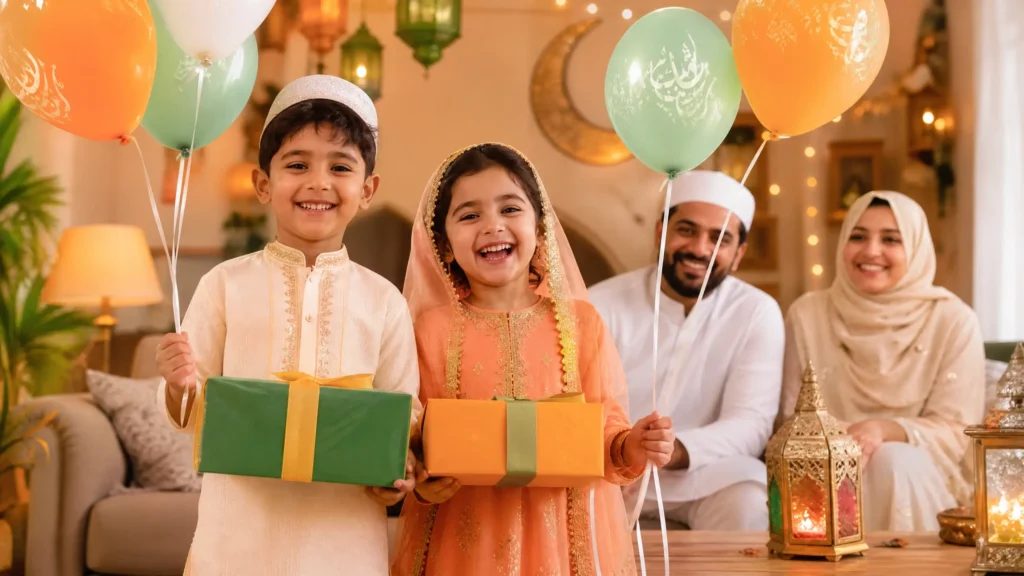
Eid ul Adha for kids is one of those holidays that parents feel the weight of explaining — and getting right. Your child can sense the day is serious and joyful at the same time.
They see the early morning prayer, the good clothes laid out the night before, the adults who are clearly moved by something they haven’t fully explained yet. And then, sooner or later, comes the question about the animal.
What you’ll learn in this article?
- What Eid ul Adha is and why Muslims celebrate it.
- The story of Prophet Ibrahim and Ismail, told for children.
- Key Eid ul Adha facts for kids worth knowing.
- What happens on the day — rituals, traditions, and family customs.
- How Eid ul Adha connects to Hajj.
- Fun and meaningful Eid activities for kids of every age.
- How to explain the Qurbani to children without it landing badly.
What Is Eid ul Adha for Kids?
Eid ul Adha is one of the two major Islamic celebrations in the Hijri calendar — and it is considered the greater of the two.
Here are the key facts children should know about this special occasion:
- Its name translates as “Festival of Sacrifice.”
- It falls on the 10th of Dhul Hijjah, the final month of the Islamic year.
- It takes place at the same time millions of Muslims are completing Hajj in Makkah.
The Simple Meaning of Eid ul Adha
The simplest way to explain Eid al Adha to kids: it is a day when Muslims around the world remember a prophet named Ibrahim (peace be upon him), who loved Allah so much that he was willing to give up the most precious thing he had.
Allah was pleased with his trust and obedience — and that trust is what Muslims honor every year on this day.
Why Is It Important to Explain Eid ul Adha to Children?
Unlike Eid al Fitr, which comes at the end of Ramadan and has a month of fasting building up to it, Eid ul Adha can feel like it arrives suddenly.
There is no long lead-up children can feel in their daily routine.
That is exactly why explaining it — and building meaningful traditions around it — matters more for this Eid than almost any other Islamic occasion.
The Story of Ibrahim and Ismail and the Meaning of Eid ul Adha for Kids
Every Eid ul Adha goes back to one story — and it is one of the most powerful in all of Islamic tradition.
Before running any activities or sitting down to the festive meal, this is the story worth telling your child the night before Eid, quietly, without rushing to the moral at the end.
The Dream That Started Everything
The story at the heart of Eid ul Adha comes directly from the Quran — Surah As-Saffat, verses 100 to 113.
- Prophet Ibrahim (peace be upon him) had prayed for a son for many years.
- When Ismail was finally born and old enough to walk and talk, Ibrahim had a dream in which Allah commanded him to sacrifice his son.
- Ibrahim did not hide this from Ismail. He told him directly what he had seen. And Ismail’s response — the response of a young boy — is recorded in the Quran word for word: (يَا أَبَتِ افْعَلْ مَا تُؤْمَرُ ۖ سَتَجِدُنِي إِن شَاءَ اللَّهُ مِنَ الصَّابِرِينَ) , “Do what you are commanded. You will find me, if Allah wills, among the steadfast.” (Surah As-Saffat, 37:102)
That is the detail most children remember when they hear the story properly: that it was not only a father’s test. It was a son’s test too. Both of them said yes.
What Happened Next
Ibrahim prepared to carry out the command. Just as he was about to do so, Allah called out to him — he had passed the test. His obedience was complete. Allah then sent a ram to be sacrificed in Ismail’s place:
(وَفَدَيْنَاهُ بِذِبْحٍ عَظِيمٍ ), “And We ransomed him with a great sacrifice.” (Surah As-Saffat, 37:107)
The point of the story is not the outcome. Allah never intended to take Ismail’s life. The point was the quality of Ibrahim’s trust — and Ismail’s — when the command felt impossible. Allah saw that trust, and He gave everything back.
What the Story Teaches Children
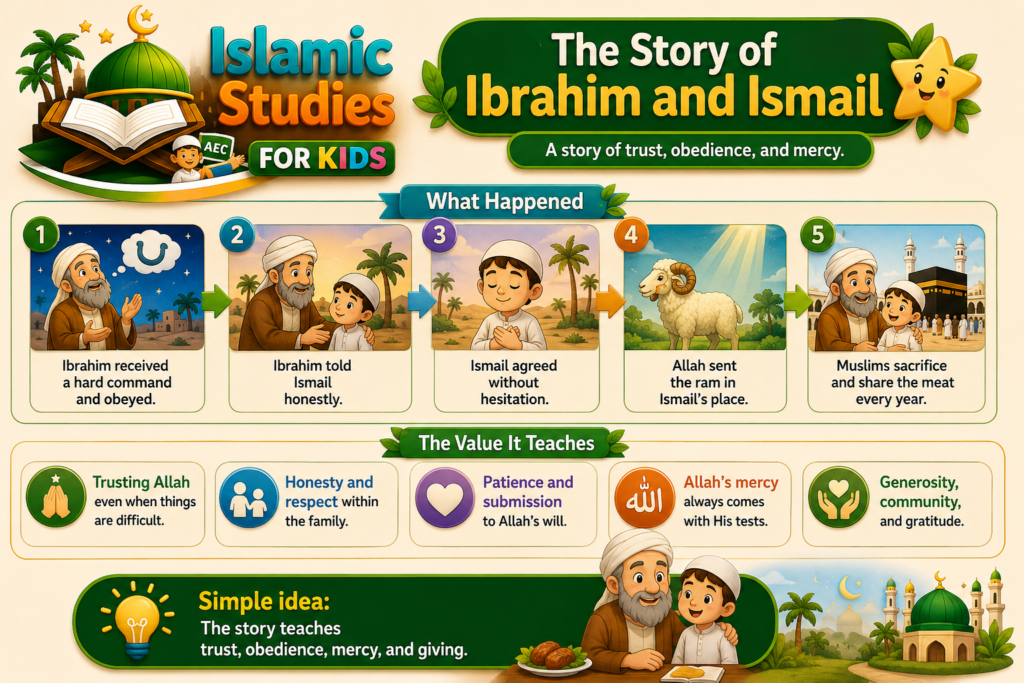
| What Happened | The Value It Teaches |
| Ibrahim received a hard command and obeyed | Trusting Allah even when things are difficult |
| Ibrahim told Ismail honestly | Honesty and respect within the family |
| Ismail said yes without hesitation | Patience and submission to Allah’s will |
| Allah sent the ram in Ismail’s place | Allah’s mercy always accompanies His tests |
| Muslims sacrifice and share the meat every year | Generosity, community, and gratitude |
When explaining this to younger children (ages 3–6), focus on the love: Ibrahim loved his son very much, and he still trusted Allah more.
For older children (ages 8+), the conversation can go deeper — why did Ibrahim tell Ismail before acting? What does Ismail’s answer reveal about his character? These questions open the story rather than closing it.
Experience a Real Classroom
Curious about how we teach? This video offers a glimpse into a real class, showcasing our interactive approach, qualified teachers, and child-friendly learning experience.
Fun & Engaging Islamic Classes for Kids
Start your child’s journey today with interactive lessons designed to make learning Islam loved and easy.
Get Your Child a Free TrialEid ul Adha Facts for Kids Worth Knowing
Children who understand the background of Eid al Adha engage with it differently on the day itself. Here are the core facts in a format easy to share and remember:
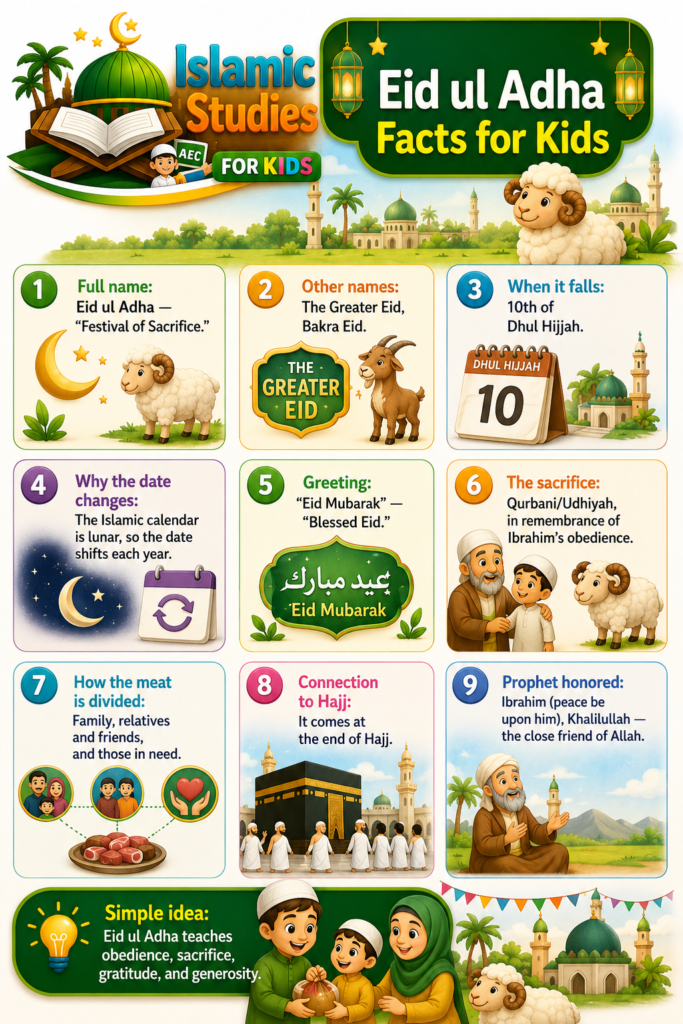
| Fact | Detail |
| Full name | Eid ul Adha (also written Eid al Adha) — means “Festival of Sacrifice” |
| Other names | The Greater Eid, Bakra Eid (in South Asian families) |
| When it falls | Muslims celebrate this occasion on the 10th of Dhul Hijjah, the twelfth and last month in the Hijri calendar |
| Why the date changes | The Islamic calendar is lunar, approximately 11 days shorter than the Gregorian calendar, so the date shifts each year |
| The greeting | “Eid Mubarak” — meaning “Blessed Eid” |
| The sacrifice | Called Qurbani (or Udhiyah) — an animal sacrificed in remembrance of Ibrahim’s obedience |
| How the meat is divided | Into three equal parts: family, relatives and friends, those in need |
| Connection to Hajj | Falls at the end of Hajj — the fifth pillar of Islam |
| The Prophet honored | Ibrahim (peace be upon him) — known in the Quran as Khalilullah, the close friend of Allah |
How Eid ul Adha and Hajj Are Connected
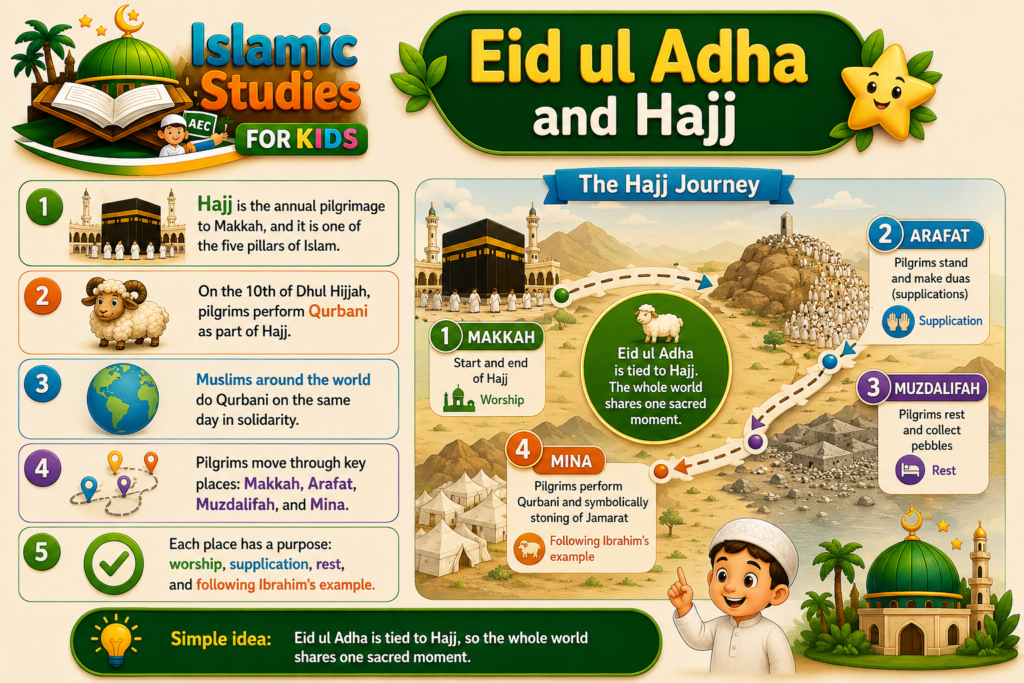
Eid ul Adha and Hajj are inseparable. Hajj is the annual pilgrimage to Makkah — one of the five pillars of Islam — that every Muslim who is physically and financially able must perform at least once in their lifetime.
On the 10th of Dhul Hijjah, the day Eid begins, pilgrims in Makkah perform the Qurbani as part of their Hajj rituals. Muslims around the world perform theirs on the same day, in solidarity with those who have made the journey.
During Hajj, pilgrims retrace the footsteps of Ibrahim and his family across several days:
| Hajj Site | What Pilgrims Do There |
| The Kaaba, Makkah | Circle it seven times (Tawaf) in the direction of worship Muslims face in every prayer |
| The plain of Arafat | Stand and supplicate — the spiritual heart of Hajj |
| Muzdalifah | Pilgrims spend a night under the stars and collect small pebbles for one of the special rituals of Hajj |
| Mina | Throw seven pebbles at three stone pillars, symbolizing Ibrahim’s rejection of the devil |
| Makkah again | Perform the Qurbani, shave or cut hair, complete Hajj |
Showing children a simple map of these locations while explaining Eid ul Adha is one of the most effective ways to make the holiday feel concrete rather than abstract.
The Hajj is not a faraway ritual — on Eid morning, millions of people are completing it right now, at the exact same moment your family is praying.
What Happens on Eid ul Adha and How Families Celebrate It?
Eid ul Adha unfolds differently from most holidays children know. It begins before sunrise and carries a particular weight that runs alongside the joy — the prayer feels deliberate, the giving feels real, and the meal at the end is connected to something that happened earlier in the day.
For children who understand that sequence, the whole day holds together as one meaningful thing rather than a collection of separate events.
The Sunnah of the Morning
The recommended practices of Eid morning are specific and worth teaching children as part of the day’s meaning — not just its routine:
- Wake up early, perform ghusl (full ritual washing), and wear the best clothes available — ideally new ones.
- Eat nothing before the Eid prayer (unlike Eid al Fitr, where eating something sweet before prayer is sunnah — on Eid ul Adha, the sunnah is to eat from the Qurbani meat first).
- Recite the Takbeer aloud on the way to the prayer.
The Eid Takbeer — Allahu Akbar, Allahu Akbar, La Ilaha Illa Allah, Allahu Akbar, Allahu Akbar, Wa Lillahi Al-Hamd — is one of the most beautiful things to teach children before the day arrives. Encourage them to say it out loud on the way to prayer.
The sound of Takbeer on Eid morning is something children who grow up with it remember for life.
The Eid Prayer
The Eid ul Adha prayer consists of two raka’at with extra Takbeers — the same structure as the Eid al Fitr prayer. It is followed by a khutbah (sermon).
For children who have already learned about Eid al Fitr prayer, this familiarity makes Eid ul Adha prayer feel like something they already partly know.
How to Explain Qurbani to Children in a Simple Way?
The Qurbani is the act of sacrificing an animal — a sheep, goat, cow, or camel — in remembrance of Ibrahim’s obedience. Families who are financially able perform it between the Eid prayer and the end of the Days of Tashreeq (the 13th of Dhul Hijjah).
Many families in the West arrange it through an Islamic organization, which may carry it out locally or overseas on their behalf.
How to Divide The Meat?
The meat is divided into three equal portions:
- One third for the immediate family.
- One third for relatives and friends.
- One third for people in need.
That final third is not an add-on. It is structurally built into the act itself. Eid ul Adha is designed to reach beyond your household — the celebration is incomplete if the giving doesn’t happen.
When explaining the Qurbani to children who are upset or confused about the animal:
- Don’t rush past it, A child who finds this difficult is engaging honestly. Tell them the animal is treated with care and respect.
- Tell them the purpose is worship and feeding families who cannot afford meat.
- And tell them that feeling the weight of it is actually part of taking it seriously.
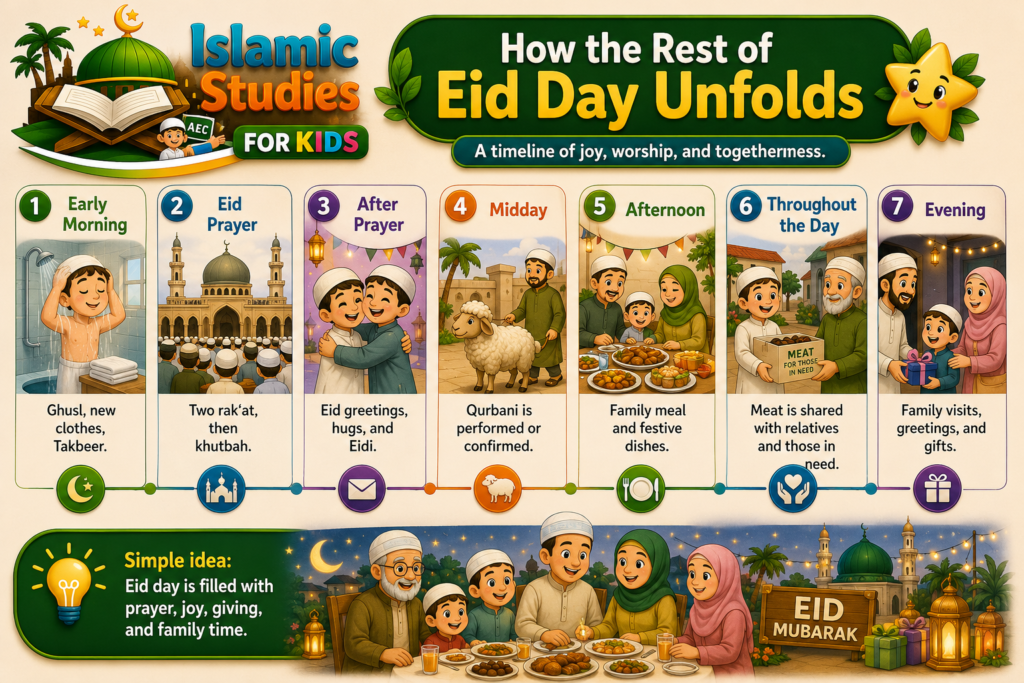
How the Rest of the Day Unfolds
| Time | What Typically Happens |
| Early morning | Ghusl, new clothes, Takbeer — children choose their outfits the night before |
| Eid prayer | Two raka’at with extra Takbeers, then khutbah |
| After prayer | Eid Mubarak greetings, hugs, Eidi (gifts or money from relatives) |
| Midday | Qurbani performed or confirmed through organization |
| Afternoon | Family gathering, festive meal — lamb, kebabs, rice dishes |
| Throughout the day | Meat distributed to relatives and those in need |
| Evening | Visits to extended family, exchanging greetings and gifts |
How to Make Eid al Adha Meaningful for Kids at Home?
The honest challenge with Eid ul Adha — especially for Muslim families living in non-Muslim majority countries — is that the holiday doesn’t have the cultural scaffolding that makes its meaning visible.
It doesn’t arrive with decorations in shop windows or a month of preparation children can feel, That means parents carry more of the work of making it real. These Eid activities for kids are designed to do exactly that.
1. Takbeer Card Craft
Children write and decorate the Eid Takbeer on card stock — drawing and coloring around the words — and hang it somewhere visible in the house before Eid morning.
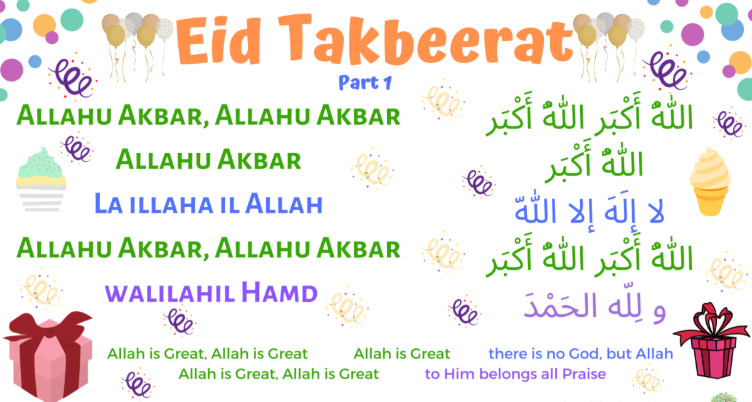
This is simple and takes about 20 minutes, but it does something specific: it makes the words of the Takbeer something the child has touched and created, not just heard.
2. The Qurbani Map Activity
Print or draw a simple world map. Together, mark where your family’s Qurbani donation is going — whether a local farm or an overseas charity.
For children aged 7 and above, this makes the third portion of the meat feel concrete: there is a real place, and real families, receiving what your family gave on this day.
3. Sadaqah Box Decoration
Give each child a plain box and art supplies to decorate as their personal Sadaqah box. Before spending any of their Eidi, they commit to putting a portion inside.

On Eid day, the family decides together where the money goes — a local food bank, a charity organizing Qurbani overseas, or a family they know who is in need. Children who make this decision themselves remember it.
Read Also: Islam Facts for Kids
4. Sheep Craft for Younger Children
Using cardboard, cotton wool, and craft sticks, children construct a simple model of the Qurbani sheep.
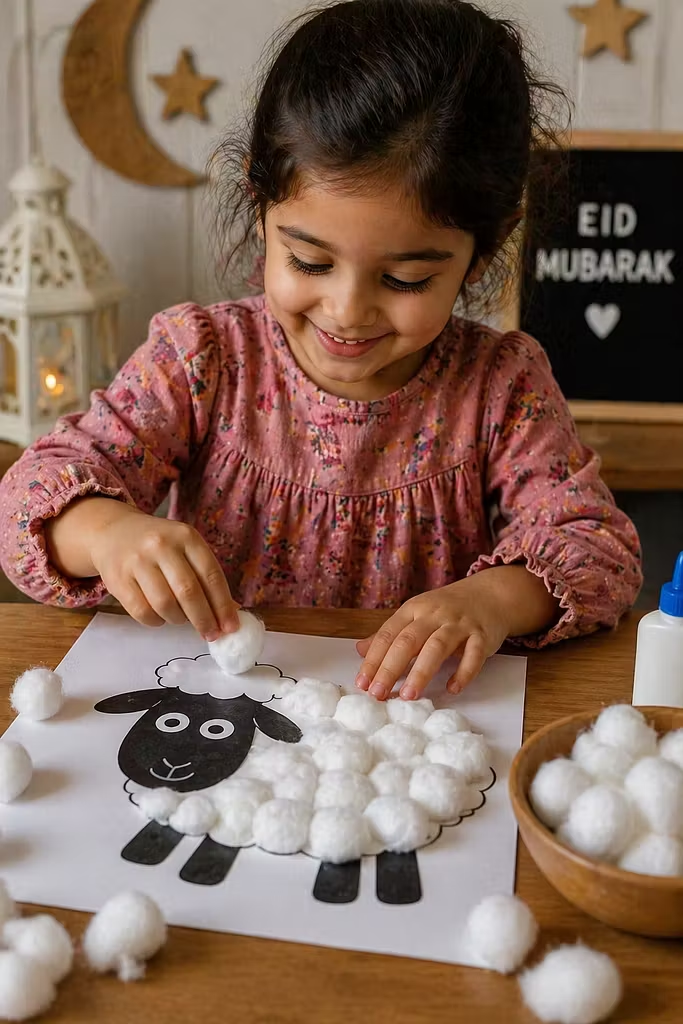
For ages 3–7 especially, making something with their hands while hearing the story of Ibrahim connects the two in a way that a verbal explanation alone cannot reach.
Read Also: How to Teach My Child Islam Online?
5. Eid ul Adha Story Retelling
Tell the story of Ibrahim and Ismail before Eid — not on the morning of, when cousins are arriving and the kitchen is busy. The night before works well.
Tell it as a story, not a lesson. Leave a question open at the end rather than stapling a moral to it: “Why do you think Ismail said yes?” Let the child think.
6. Eid Greeting Cards for Relatives
Have children make handwritten “Eid Mubarak” cards for grandparents, cousins, or neighbors. This teaches the sunnah of spreading the greeting of Eid while giving children a tangible role in the day’s generosity.
Read Also: Islamic Worksheets for Kids
7. Good Deeds Chart for the 10 Days of Dhul Hijjah
The ten days leading up to Eid ul Adha are among the most blessed days in the Islamic year. Create a simple chart with your child — one box per day — and together choose one small good deed per day:
- Helping a sibling without being asked.
- Putting money in the charity box.
- Saying Alhamdulillah out loud when something good happens.
Children who mark off each day arrive at Eid feeling that they participated in its build-up, not just its morning.
Watch a Sample Lesson from Our Academy
Get a firsthand look at how our students learn Islamic values, Quran, and essential knowledge through engaging and interactive online classes. See why families trust Islamic Studies for Kids Academy.
Fun & Engaging Islamic Classes for Kids
Start your child’s journey today with interactive lessons designed to make learning Islam loved and easy.
Get Your Child a Free TrialFrom the Game Table to a Foundation That Lasts/
Your child just won the Eid al-Adha quiz. They remembered that Ismail said “You will find me among the steadfast.” They knew the Qurbani is divided into three parts. They beat their older cousin on the Five Pillars round.
That’s not luck. That’s a child ready for the next level.
Islamic Studies for Kids Academy takes children from “I know the game answers” to “I understand my deen” — through structured, expert-guided learning that builds on exactly the curiosity these games spark.

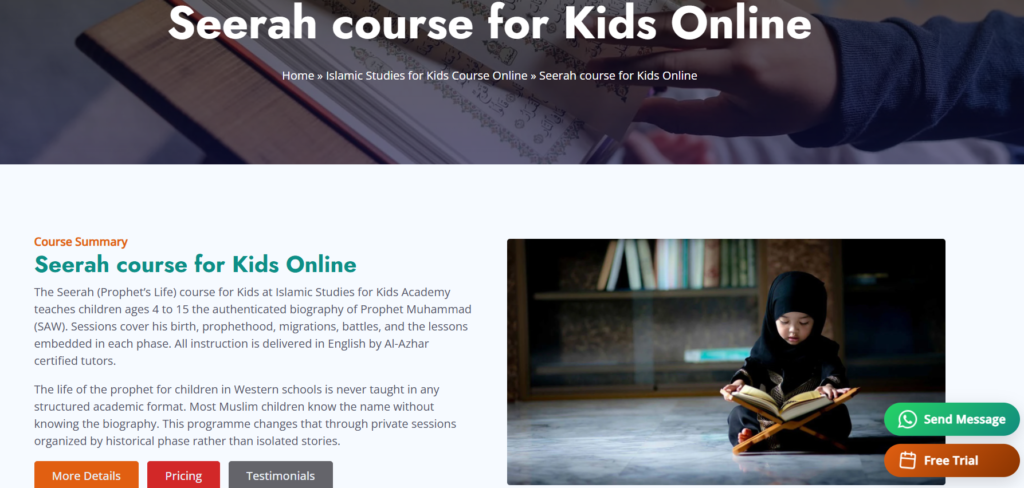
Seerah Course for Kids Online
Your child knows the story of Prophet Ibrahim from the Eid quiz. Now imagine them learning the full Seerah — every Prophet’s story in depth, the Quranic verses behind each one, and what it means for how they live today. Ages 4 to 15. English instruction. Al-Azhar certified tutors.
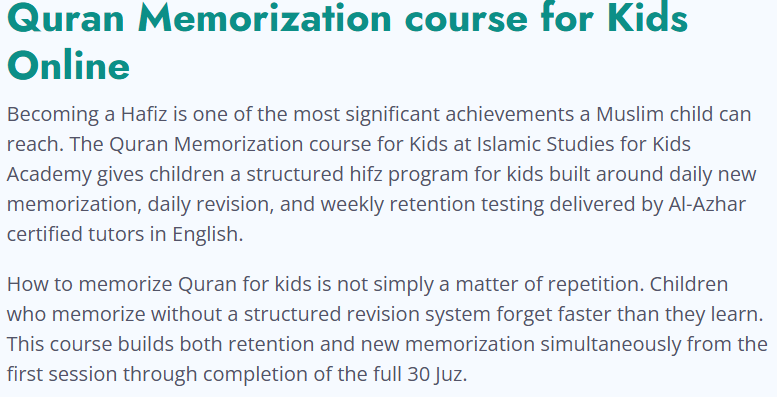
Quran Memorization Course for Kids Online
The Surah Chain game ends when someone wins. Hifz never ends — it stays with your child forever. This structured memorization course gives children systematic revision, expert correction, and a pace built around their progress, not a group average.
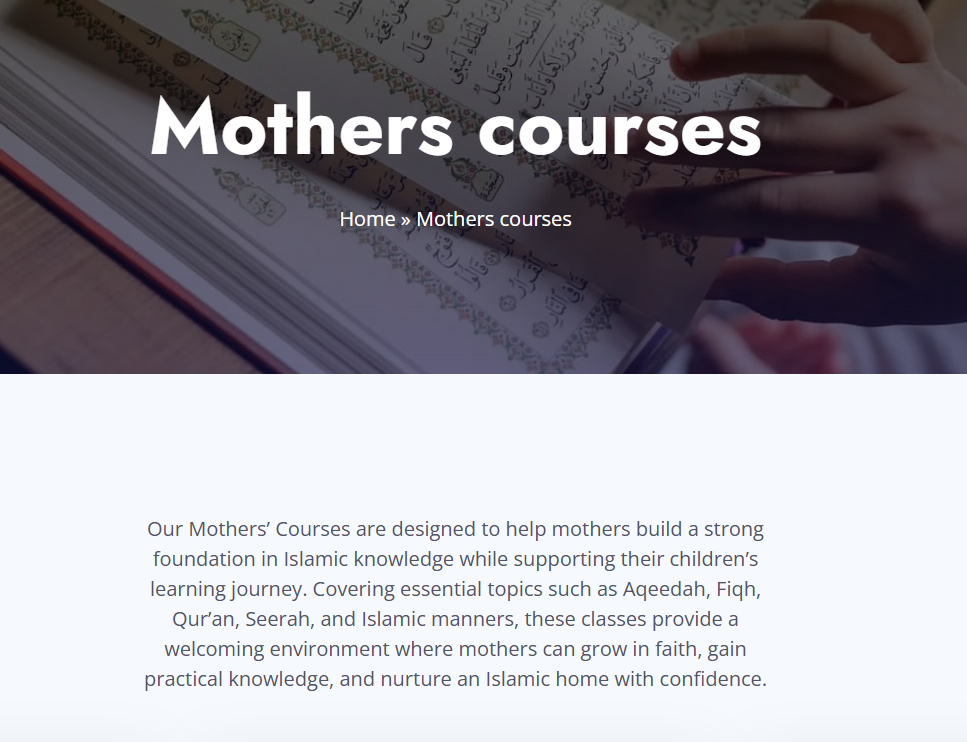
And While the Kids Learn — Mothers Can Too
Islamic Studies for Kids Academy offers dedicated courses for mothers running alongside their children’s learning:
- Quran
- Tajweed
- Hifz
- Islamic Studies — scheduled around your family’s routine, taught by qualified female instructors.
See Real Results From Recent Graduates
Games spark the love. Structured learning builds the knowledge. And the families who’ve seen both together have the most to say.
Watch Graduate Stories From Real Graduates
Our Islamic Studies Courses Include:
- Islamic Studies for Kids
- Islam Basics for Kids (Beginners)
- 5 Pillars of Islam for Kids
- 6 Pillars of Iman (Faith) for Kids
- Salah (Prayer) for Kids
- Wudu for Kids
- Dua for Kids
- Ramadan for Kids
- Zakat & Sadaqah for Kids
- Hajj for Kids
- Aqeedah (Islamic Belief) for Kids
- Islamic Manners & Akhlaq for Kids
- Good Deeds for Kids
- Cleanliness (Taharah) in Islam for Kids
- Angels in Islam for Kids
- Islamic History for Kids
- Seerah (Prophet’s Life) for Kids
- Prophets Stories for Kids
- Islamic Stories & Morals for Kids
- Fiqh for Kids (Islamic Jurisprudence Basics)
- Hadith for Kids
- Quran Tafseer Course for Kids
- Islamic Holidays & Events for Kids
- Islamic Identity for Kids
- Intensive Islamic Course for Kids
Enroll today and give your child the knowledge, values, and confidence to grow as a practicing Muslim with a strong connection to Allah and His teachings.
Fun & Engaging Islamic Classes for Kids
Start your child’s journey today with interactive lessons designed to make learning Islam loved and easy.
Get Your Child a Free TrialConclusion
Eid ul Adha for kids is meaningful when children understand what they are celebrating — not just that there is a prayer, a meal, and Eidi, but that those things are connected to a story of extraordinary trust between a father, a son, and Allah. The Eid al Adha explanation for children doesn’t have to be complete or perfect on the first telling. It deepens every year, as the child’s questions deepen with them.
The families that make Eid ul Adha real for their children are not necessarily the ones who do the most activities. They are the ones who take the meaning seriously themselves — who say the Takbeer on the way to prayer, who talk about where the Qurbani meat is going, who leave a question from the Ibrahim story open at bedtime the night before.
Children absorb the texture of the day from the adults around them. Get the texture right, and the understanding follows.
Frequently Asked Questions
My child is upset about the Qurbani animal — how do I handle it?
Don’t move past the discomfort too quickly. A child who feels sad about the animal is responding with genuine empathy, which is worth acknowledging.
Tell them the animal is treated with care and respect, that the meat feeds families who otherwise cannot afford it, and that feeling the weight of the act is actually part of honoring it. The discomfort may not fully resolve in one conversation — and that is fine.
Why does Eid ul Adha fall on a different date every year?
The Islamic calendar is lunar — each month begins with the sighting of the new moon, and the year is approximately 11 days shorter than the Gregorian calendar.
This means Eid ul Adha shifts earlier each year on the standard calendar, cycling through all the seasons over roughly 33 years.
Do we have to perform Hajj to celebrate Eid ul Adha?
No. Eid ul Adha is celebrated by Muslims everywhere, not only by those who performed Hajj that year. The prayer, the Qurbani (for those who are able), the gathering, and the giving are all observed by the entire ummah — on the same day, in solidarity with the pilgrims completing Hajj in Makkah.


Leave a Reply