The Cleanliness in Islam for Kids Course at Islamic Studies for Kids Academy teaches children ages 4 to 15 the complete Islamic system of Taharah. Sessions cover purification from ritual impurity, hygiene in Islam for kids, the conditions of Wudu and Ghusl, and the Sunnah practices of physical cleanliness. All instruction is delivered in English by Al-Azhar certified tutors trained in child instruction.
Taharah for kids in a Western household requires structured teaching that no secular school provides. Children who learn Islamic cleanliness as a formal subject understand it as worship rather than hygiene routine, and that distinction shapes how consistently they practice it.
More Details Pricing Testimonials
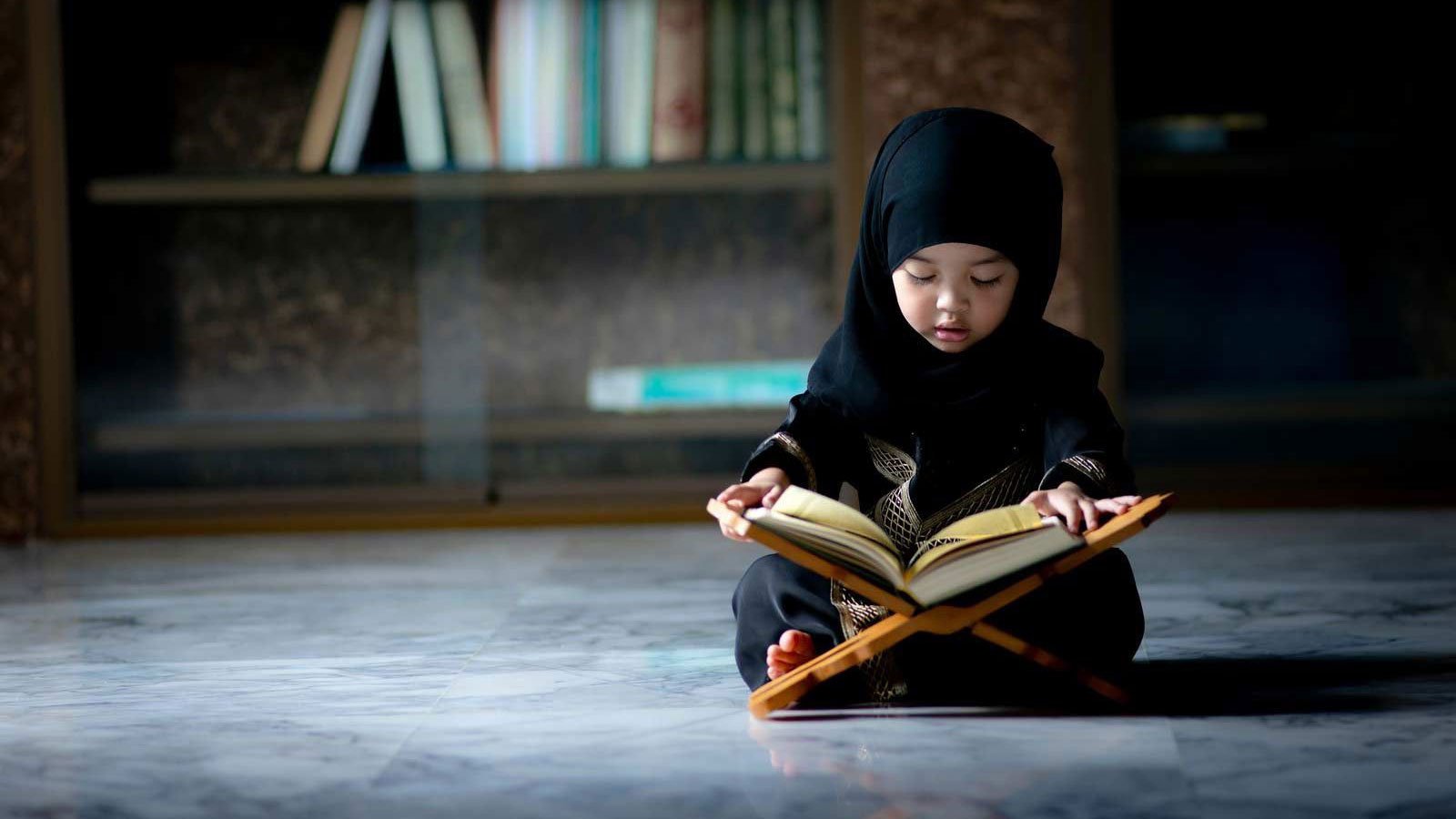

The Cleanliness in Islam Course for Kids at Islamic Studies for Kids Academy treats Taharah as a subject with its own jurisprudence rather than a collection of hygiene tips. Children learn the categories of ritual impurity, the conditions that make purification obligatory, and the correct method of each form of purification according to established Fiqh rulings.
Islamic cleanliness for children in this programme is connected to worship at every stage. Tutors at Islamic Studies for Kids Academy explain why Taharah is described as half of faith in the Prophetic tradition and how each purification practice connects to a child’s ability to perform valid worship before Allah.
The Cleanliness in Islam for Kids Course is organized into four modules covering the concept of Taharah in Islam, Wudu conditions and nullifiers, Ghusl for kids and its obligations, and the Sunnah practices of daily Islamic hygiene. Each module is available within the full programme or as a standalone purification in Islam for kids course.
The first module establishes what Taharah means in Islamic jurisprudence, the categories of ritual impurity that require purification, and why cleanliness in Islam is an obligatory religious act rather than a personal preference. Children learn the Hadith that establishes Taharah as half of faith and understand what that status means for their daily practice. Available within the full Cleanliness in Islam for Kids Course or as a standalone Taharah for kids introductory programme.
This module covers the obligatory acts of Wudu, the actions that nullify it, and the rulings on what situations require it before worship. Children learn the Fiqh of Wudu as a subject with specific legal conditions rather than a sequence of steps to memorize without understanding their basis. Tutors at Islamic Studies for Kids Academy assess practical execution through direct observation. Enrollable within the full course or as a standalone Wudu Fiqh programme for children.
The Ghusl module covers when ritual bath becomes obligatory, the obligatory acts that make it valid, and the Sunnah acts that complete it. Ghusl for kids is taught at an age-appropriate level with instruction timed to the child’s developmental stage rather than presented as a single uniform lesson regardless of whether the child is 6 or 14. Available within the full Cleanliness in Islam for Kids Programme or as a standalone Ghusl Fiqh course for children.
The fourth module covers the Sunnah practices of Fitrah including miswak, trimming nails, removing body hair, and the Islamic etiquettes of using the bathroom. Each practice is connected to its Prophetic source and explained as part of the Islamic system of tahara for kids that governs both ritual and physical cleanliness. Enrollable within the full programme or as a standalone Islamic hygiene for children course.
Outcomes
Graduates of the first module explain what Taharah means in Islamic jurisprudence, identify the categories of impurity that require purification, and state the Hadith that establishes cleanliness as half of faith. Assessment at Islamic Studies for Kids Academy verifies this understanding before any child advances to the practical modules. A child who understands why Taharah is obligatory maintains it more consistently than one who performs it as a mechanical step before prayer. That theological grounding is the specific outcome this module targets in the Cleanliness in Islam for Kids Course.
Children completing the Wudu module perform every obligatory act in the correct sequence and identify which actions nullify their Wudu. Tutors at Islamic Studies for Kids Academy verify execution through direct live observation rather than verbal description, ensuring practical accuracy rather than theoretical knowledge alone. Children who know what breaks their Wudu approach physical situations throughout their day with correct Islamic awareness. That practical Fiqh knowledge is what distinguishes a child who completed this module from one who can only recite the steps of Wudu without understanding the jurisprudential boundaries around it.
Children who complete the Ghusl module know when ritual bath becomes obligatory, which acts make it valid, and which acts are Sunnah within it. Islamic Studies for Kids Academy delivers this instruction at a developmental level matched to the child's age so that younger children receive foundational awareness while older children approaching puberty receive the full Fiqh detail they will soon need. Entering puberty without knowledge of Ghusl is a situation many Muslim children in Western households face because no one taught them formally. The Cleanliness in Islam for Kids Course addresses this gap before it becomes a practical problem rather than after.
Children who complete the Fitrah module practice the Sunnah hygiene acts as a deliberate religious routine rather than ordinary personal care. They know the Prophetic source behind each practice and understand it as an act of following the Prophet (SAW) rather than a general health recommendation. Tutors document consistent practice across multiple sessions before the module is closed. Hygiene in Islam for kids taught as Sunnah produces children who maintain these practices with religious motivation. That distinction in motivation determines whether the practices continue independently after the course ends or stop when external encouragement is removed.
Children who complete the full Cleanliness in Islam for Kids Programme enter adolescence with verified Fiqh knowledge of purification that their peers in Western Muslim households typically lack. They know when Wudu is required, when Ghusl is obligatory, and how to maintain the Fitrah practices as an integrated daily religious routine. Islamic Studies for Kids Academy documents this outcome through a final cross-module assessment. Written reports detail each child's Taharah knowledge level and identify any remaining gaps before the programme is marked complete.
Why Choose us?
Every tutor at Islamic Studies for Kids Academy holds Al-Azhar University certification in Islamic jurisprudence. Children receive Taharah instruction from scholars qualified to teach its Fiqh rather than parents or community members who learned it informally.
Tutors assess Wudu and Ghusl through direct live observation during sessions rather than written description. Practical execution errors are identified and corrected in real time before incorrect habits become established.
Female Al-Azhar certified tutors are available for girls in the Cleanliness in Islam for Kids Programme. This is especially relevant for the Ghusl module where age-appropriate instruction from a female scholar is important for many families.
Islamic Studies for Kids Academy delivers Ghusl for kids content at a depth matched to each child's age. Younger children receive foundational awareness while children approaching puberty receive the full Fiqh detail their situation requires.
Every purification practice in the Cleanliness in Islam Course for Kids is connected to its religious obligation and Prophetic source. Children understand Islamic cleanliness as an act of worship directed at Allah rather than a personal hygiene standard.
Islamic Studies for Kids Academy provides written reports after each completed module covering Taharah concept understanding, Wudu accuracy, Ghusl knowledge, and Fitrah practice consistency with specific tutor observations per child.
Related Courses
Programmes available include the Islam Basics for Kids Course, Aqeedah for Kids Course, Islamic Manners and Akhlaq Course, Good Deeds for Kids Course, 5 Pillars of Islam Course, Dua for Kids, Ramadan for Kids, Hajj for Kids, Noorani Qaida, Tajweed, Hifz, and Arabic for Kids.
The Islamic Stories & Morals course for Kids at Islamic Studies for Kids Academy teaches children ages 4 to 15 authenticated Islamic moral stories in English. Sessions cover short islamic stories of prophets for kids, Companions, and righteous figures drawn from the Quran and Sunnah. All instruction is delivered by Al-Azhar certified tutors trained in child teaching.
Read More
The Islamic Manners and Akhlaq for Kids Course at Islamic Studies for Kids Academy teaches children ages 4 to 15 the Prophetic etiquettes governing speech, conduct, relationships, and daily routine. Every manner is tied to an authenticated Hadith source. Sessions are delivered in English by Al-Azhar certified tutors trained in child instruction.
Read More
The Islamic Identity course for Kids at Islamic Studies for Kids Academy addresses the specific challenge of raising Muslim kids in Western secular environments. Sessions cover islamic identity for kids across belief, conduct, community, and self-expression. All instruction is delivered in English by Al-Azhar certified tutors trained in child teaching methods.
Read MoreContact Islamic Studies for Kids Academy to arrange a free trial session. A certified Azhari tutor evaluates your child’s current Taharah knowledge and assigns them to the correct entry level within the Cleanliness in Islam for Kids Course.
Testimonials
Children who complete the Cleanliness in Islam for Kids Course at Islamic Studies for Kids Academy demonstrate verified Wudu accuracy, correct understanding of Ghusl obligations, and consistent Fitrah practice documented by tutors and reported by parents within the first module completions.
All Praise to Allah SWT alone! What an ease of seeking knowledge from the comfort of our own homes. It is a satisfying and helpful Quran lessons online Alhamdulillah. The teachers are very sincere and hardworking. My kids are very happy and encouraged. Let’s improve our lives by studying the Holy Quran.
I have been taking Quran memorization class for a few years now with TarteeleQuran. The courses are of great quality. I hope to continue with them for as long as I can and to encourage others to learn Quran online and experience the ease of learning the book of Allah with the help of Allah Almighty.
Real transformations from students who mastered the Quran with our courses
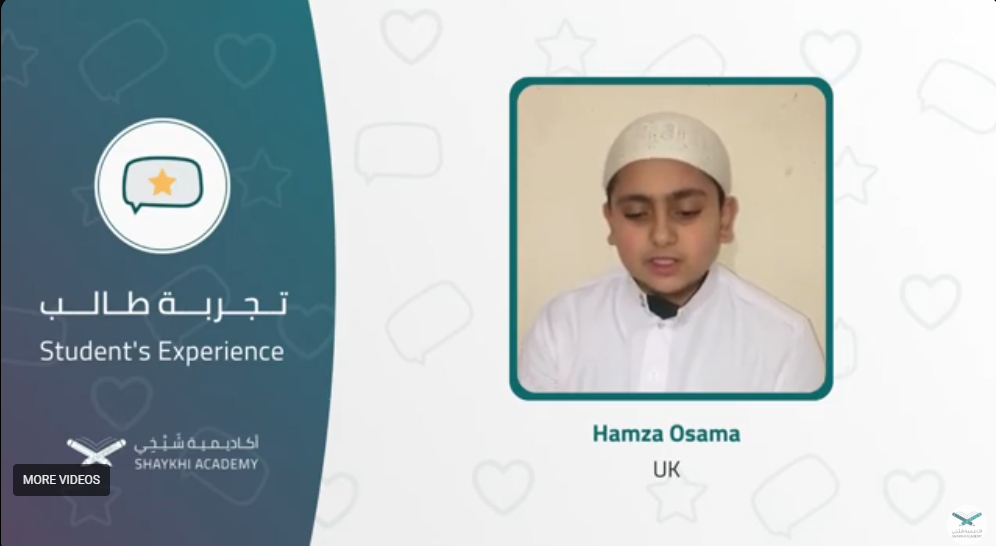
I took a course at Shaykhi Academy, and my name is Hamza Osama from England. During my time there, I learned the Arabic alphabet and Tajweed rules. I have also successfully memorized approximately two Juz of the Quran. My teacher was the best, and I feel I benefited a lot from him. I would advise anyone who wants to learn the Arabic language, Tajweed rules, or the Quran to join Shaykhi Academy.
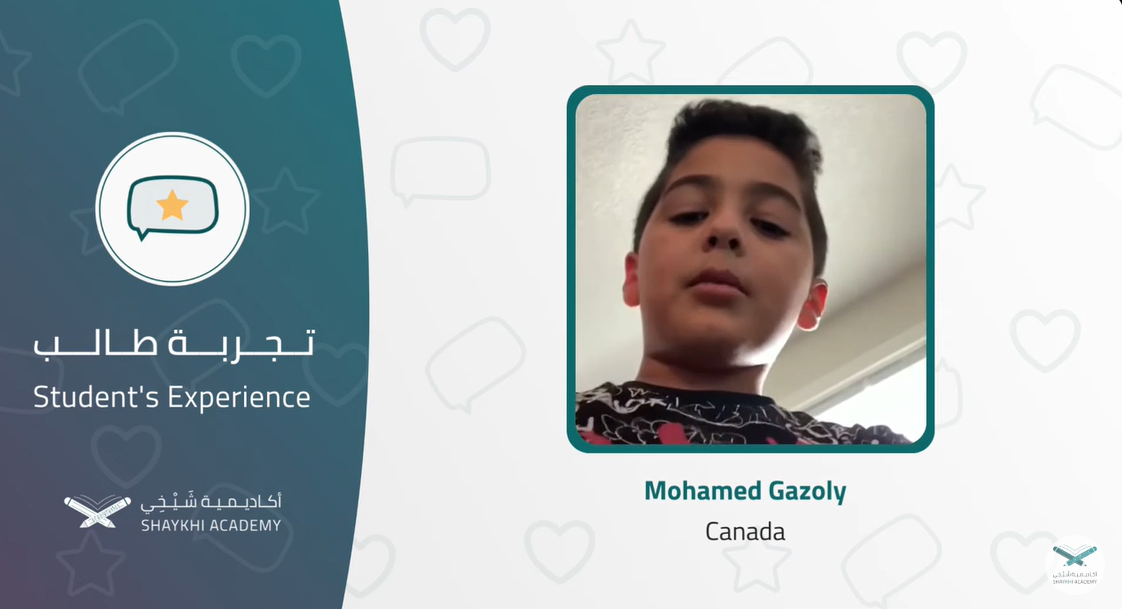
I took a class at Shaykhi Academy with Mr. Luqman, and I had a lot of fun learning with him. I even got the chance to meet him in Egypt! I learned a lot from my time with him, including Tajweed, Tahweed, Arabic reading, and Quran. I've been learning with him for about a year now. Thank you for your time.
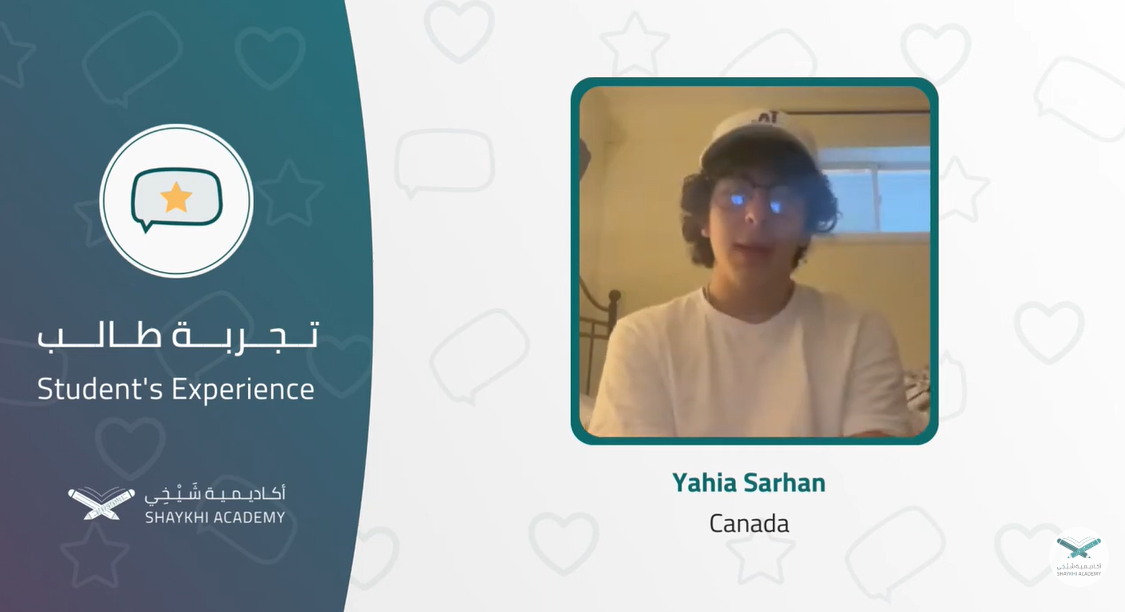
I’m Yahia Sarhan, I’m 15 years old and I’m from Canada. I’ve been a student at Shaykhi Academy since 2019, so about three or four years now. It’s been a great learning opportunity for me and I’ve learned a lot about Islamic studies, the Quran, and Arabic reading. I’d definitely recommend it to anyone who’s trying to learn.
Contact Islamic Studies for Kids Academy to schedule a free trial session. A certified Azhari tutor evaluates your child’s current Taharah knowledge and places them at the correct entry level within the Cleanliness in Islam for Kids Course before the first paid session takes place.
Common questions from parents enrolling children in the Cleanliness in Islam for Kids Course at Islamic Studies for Kids Academy.