Follow Us:
Course Summary

Quran course for Toddlers Online

A child’s relationship with the Quran begins before they can read a single letter. Quran for toddlers at Islamic Studies for Kids Academy builds that relationship through listening, repetition, and sound recognition in sessions of 15 to 20 minutes, paced entirely around what a child aged 2 to 5 can sustain without losing focus or developing resistance to learning.

Teaching Quran to toddlers is not about reading milestones or memorization targets. It is about filling a child’s earliest years with Quranic sounds, short Surahs, and simple daily Duas before the world fills that space with everything else. All sessions are delivered in English by Al-Azhar certified tutors trained in early childhood methods.

More Details Pricing Testimonials

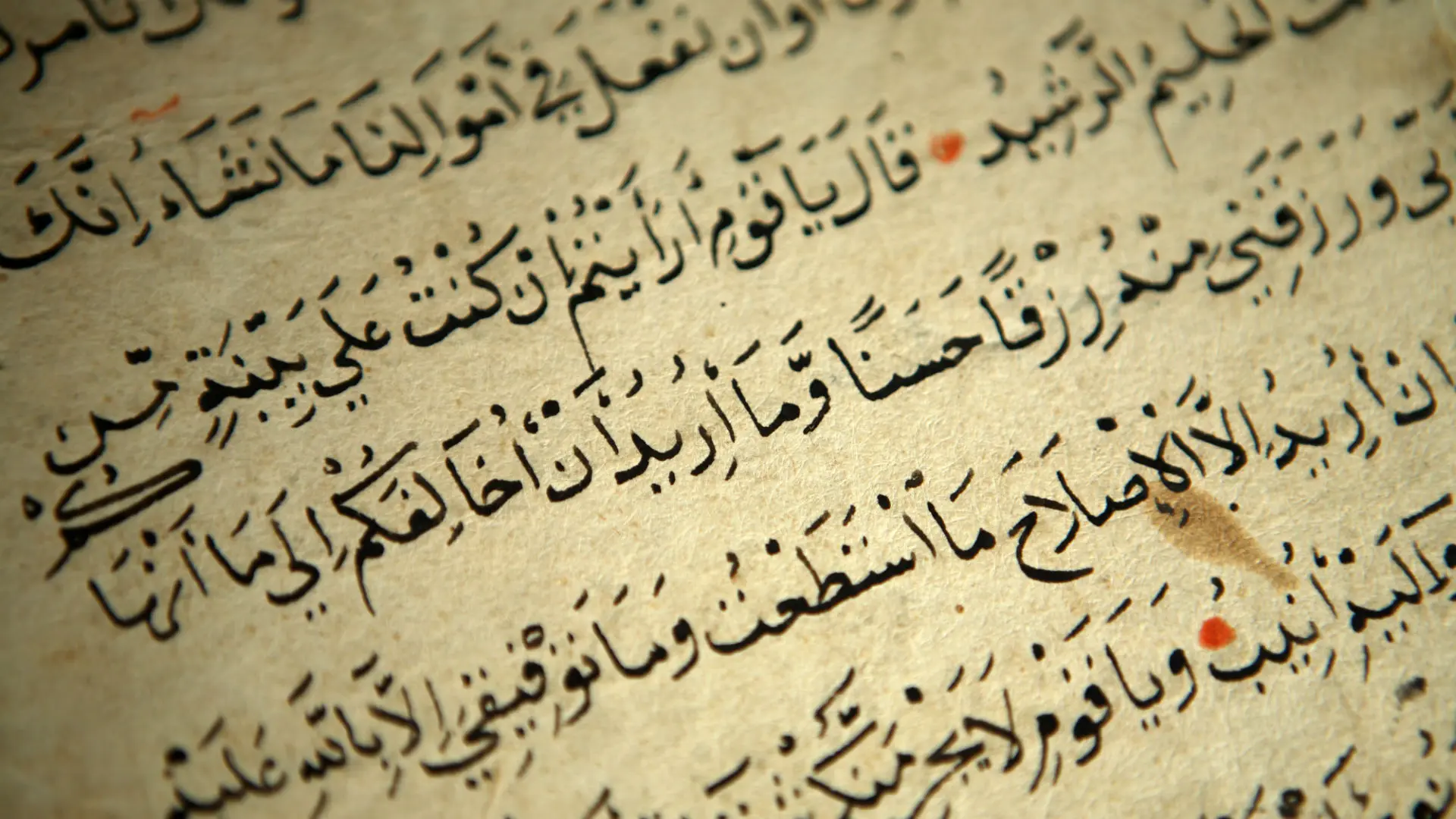
Establish a Sound Quranic Foundation With the Quran Toddler Program


The Quran toddler program at Islamic Studies for Kids Academy does not attempt to teach a two or three year old what a six year old learns. It targets what toddlers can actually do: hear Arabic sounds repeatedly until they become familiar, imitate short Quranic phrases, and absorb the rhythm of short Surahs through daily listening rather than structured memorization drills.

Quran for very young kids works when the session never exceeds the child’s attention span. Tutors at Islamic Studies for Kids Academy switch between listening, imitation, and simple sound activities every few minutes so toddlers remain engaged without pressure or frustration building across the session.

What Is the Syllabus of the Quran Classes for Toddlers?


The Quran classes for toddlers at Islamic Studies for Kids Academy cover four areas matched to what children aged 2 to 5 can absorb. Each area is available within the full toddler programme or as a standalone focus based on the child’s current age and readiness confirmed at the free trial session.

1. Toddlers Hear Arabic Letter Sounds Before Naming Them

Quran for 2 year old children begins with sound exposure rather than letter naming or recognition. Tutors produce each Arabic letter sound clearly and repeatedly while the toddler listens and attempts imitation without pressure to produce a perfect sound immediately. Children this age absorb phonetic patterns through repetition across many sessions before the sound becomes reproducible.

2. Short Surahs Enter the Child’s Memory Through Daily Listening

Quran for 3 year old children focuses on Surah Al-Ikhlas, Al-Falaq, An-Nas, Al-Kawthar, and Al-Asr introduced through tutor recitation the child hears repeatedly before being asked to repeat anything. Toddlers absorb rhythmic Quranic phrases through listening long before structured repetition begins. Parents are given audio recordings of each Surah to play at home between sessions so the child’s exposure continues daily outside the classroom. 

3. Daily Duas Toddlers Hear and Begin Repeating Naturally

Simple daily Duas including Bismillah, Al-Hamdu Lillah, and the sleeping and waking Duas are introduced through repetition across multiple sessions rather than in a single lesson. Toddlers who hear the same Dua in the same context repeatedly begin producing it independently without being drilled. This area of the early Quran learning toddlers programme connects Quranic language to the child’s daily routine rather than keeping it confined to the session.

4. Letter Recognition Introduced When the Child Is Ready

Children aged 4 to 5 who have completed the listening and imitation stages move into visual Arabic letter recognition using colorful letter cards and audio pairing. This is not reading instruction. It is the bridge between sound familiarity built in the earlier stages and the formal Noorani Qaida course the child will join when they turn 5 or 6.

Outcomes


Measurable Quran Learning Outcomes in the Quran Toddler Program

Islamic Studies for Kids Academy assesses toddler outcomes through parent observation reports and tutor session notes rather than formal tests. A toddler who hums a Surah at home, repeats Bismillah before eating, or recognizes an Arabic letter on a card has demonstrated the outcomes this programme targets.

Toddlers Reproduce Arabic Sounds Without Being Drilled

Children who complete the sound exposure stage produce distinct Arabic letter sounds spontaneously during sessions without tutor prompting for each sound individually. Spontaneous production rather than prompted imitation is the specific indicator Islamic Studies for Kids Academy uses to confirm this stage is complete before the child moves into short Surah listening.

Children Recite Short Surahs at Home Without Being Asked

Children who complete the short Surah stage recite Al-Ikhlas, An-Nas, and Al-Falaq independently outside sessions, confirmed through parent observation reports submitted to Islamic Studies for Kids Academy. Unprompted recitation at home is the strongest indicator of genuine absorption at this age. A toddler who recites only when asked during the session has heard the Surah. A toddler who recites voluntarily at home has internalized it.

Daily Duas Used in the Right Moments Without Parent Prompting

Children who complete the daily Duas stage say Bismillah before eating and Al-Hamdu Lillah after without being reminded by a parent in every instance. Contextual use without prompting confirms the Dua has attached to the activity rather than existing only as a phrase the child recites on request. Islamic Studies for Kids Academy treats this as the Dua stage completion indicator rather than session recitation accuracy alone.

Child Recognizes Arabic Letters and Is Ready for Noorani Qaida

Children who complete the letter readiness stage identify ten or more Arabic letters by sight when shown a letter card and produce the corresponding sound without the tutor modeling it first. This outcome confirms the child is ready to begin the Noorani Qaida course at Islamic Studies for Kids Academy. Written reports document which letters the child recognizes reliably and which require further exposure before formal Qaida instruction begins.

Toddlers Carry Quran Familiarity Into Every Subsequent Course

Toddlers Carry Quran Familiarity Into Every Subsequent Course Children who complete the full Quran toddler programme begin the Noorani Qaida course already familiar with Arabic sounds, holding several short Surahs, and using daily Duas in context. That familiarity cuts the time the Qaida course requires significantly. Children who arrive at the Qaida having never heard Arabic letters before face a longer path than those who spent their toddler years absorbing Quranic sounds through this programme at Islamic Studies for Kids Academy.

Start Your Toddler's Quran Journey Today Start your Free Trial Now

Why Choose us?


Why Parents Choose Islamic Studies for Kids Academy for Quran for Toddlers

Most Quran programmes are designed for children who can sit still, follow instructions, and sustain attention for 30 to 45 minutes. Islamic Studies for Kids Academy's toddler programme is designed for children who cannot do any of those things yet and does not attempt to make them.

Sessions Run 15 to 20 Minutes and Never Longer

Every session ends before a toddler's attention fades rather than after. Tutors switch activities every few minutes so no single activity runs long enough to cause frustration or disengagement during the session.

Listening Always Comes Before Repetition Is Expected

No toddler is asked to repeat a sound or Surah phrase before hearing it many times across multiple sessions. Islamic Studies for Kids Academy tutors never rush a toddler into production before absorption has occurred naturally through repeated exposure.

Female Tutors Available for Toddler Girls Across All Stages

Female Al-Azhar certified tutors deliver the full Quran toddler programme to girls whose parents request them. Young children respond differently to familiar voices, and tutor consistency is maintained across all sessions throughout the programme.

Parents Receive Audio for Home Listening Between Sessions

Tutors provide parents with audio recordings of each Surah and Dua covered in session. Daily home listening between sessions doubles the child's exposure without requiring any additional formal instruction from the parent.

No Pressure, No Tests, No Fixed Pace Per Age

A two year old and a four year old follow the same stage sequence at their own pace. Islamic Studies for Kids Academy does not apply a fixed timeline to any toddler. Readiness determines advancement, not the child's age at enrolment.

Parent Observation Reports Replacing Formal Toddler Assessments

Progress at this age is documented through parent reports of what the child does at home rather than session-based testing. Tutors at Islamic Studies for Kids Academy guide parents on exactly what to observe and report between sessions.

Book Your Toddler's Free Trial Session Today Start your Free Trial Now


Related Courses


Other Programmes Offered at Islamic Studies for Kids Academy

After completing the toddler programme, children move into the Noorani Qaida course. Other programmes include the Quran Recitation course, Tajweed course, Hifz programme, Quranic Arabic course, Islamic Identity course, Aqeedah course, Fiqh course, Seerah course, and Hadith course for Kids.

Quran Memorization Course for Kids Online
Icon

Quran Memorization Course for Kids Online

Becoming a Hafiz is one of the most significant achievements a Muslim child can reach. The Quran Memorization course for Kids at Islamic Studies for Kids Academy gives children a structured hifz program for kids built around daily new memorization, daily revision, and weekly retention testing delivered by Al-Azhar certified tutors in English.

Read More
Quran Recitation Course for Kids Online
Icon

Quran Recitation Course for Kids Online

Once a child completes the Qaida, the next question is how to recite Quran for kids correctly from the Mushaf. The Quran Recitation course for Kids at Islamic Studies for Kids Academy takes children from their first verse through fluent reading of Juz Amma with basic Tajweed applied from session one. All instruction is delivered in English by Al-Azhar certified tutors.

Read More
Quran Stories course for Kids Online
Icon

Quran Stories course for Kids Online

Children retain moral lessons through stories far more effectively than through direct instruction. The Quran Stories course for Kids at Islamic Studies for Kids Academy delivers quran stories for kids drawn directly from Quranic text, with the verses behind each story introduced alongside the narrative. Sessions are in English by Al-Azhar certified tutors.

Read More
   

The Earlier You Start the Deeper the Connection Becomes

Contact Islamic Studies for Kids Academy to book the free trial session. A certified Azhari tutor evaluates your toddler’s current readiness and assigns the correct stage entry point within the Quran classes for toddlers before any paid session begins.

Book Your Toddler's Free Trial Session            

Testimonials


Testimonials

Toddlers who complete the Quran classes for toddlers at Islamic Studies for Kids Academy recite short Surahs at home unprompted, use daily Duas in the correct moments independently, and begin the Noorani Qaida course already familiar with Arabic sounds and Quranic rhythm.

Join Islamic Studies for Kids Academy Now Start your Free Trial Now
       
Student Success Stories

Hear From Our Graduates

Real transformations from students who mastered the Quran with our courses

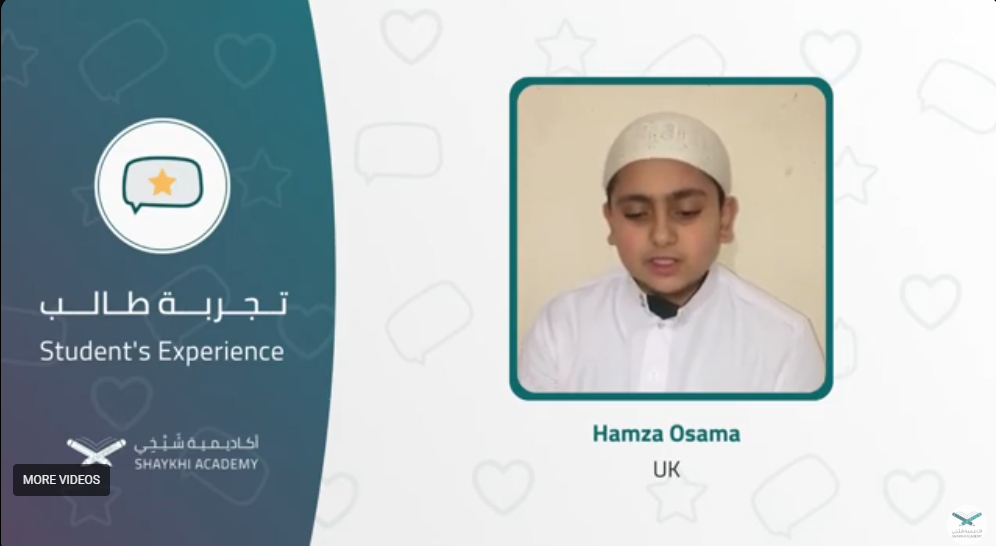
Hamza Osama
Hamza Osama

Hamza Osama

Arabic alphabet

I took a course at Shaykhi Academy, and my name is Hamza Osama from England. During my time there, I learned the Arabic alphabet and Tajweed rules. I have also successfully memorized approximately two Juz of the Quran. My teacher was the best, and I feel I benefited a lot from him. I would advise anyone who wants to learn the Arabic language, Tajweed rules, or the Quran to join Shaykhi Academy.

6 months ago
Mohamed Gazoly
Mohamed Gazoly

Mohamed Gazoly

Tajweed Mastery Course

I took a class at Shaykhi Academy with Mr. Luqman, and I had a lot of fun learning with him. I even got the chance to meet him in Egypt! I learned a lot from my time with him, including Tajweed, Tahweed, Arabic reading, and Quran. I've been learning with him for about a year now. Thank you for your time.

1 year
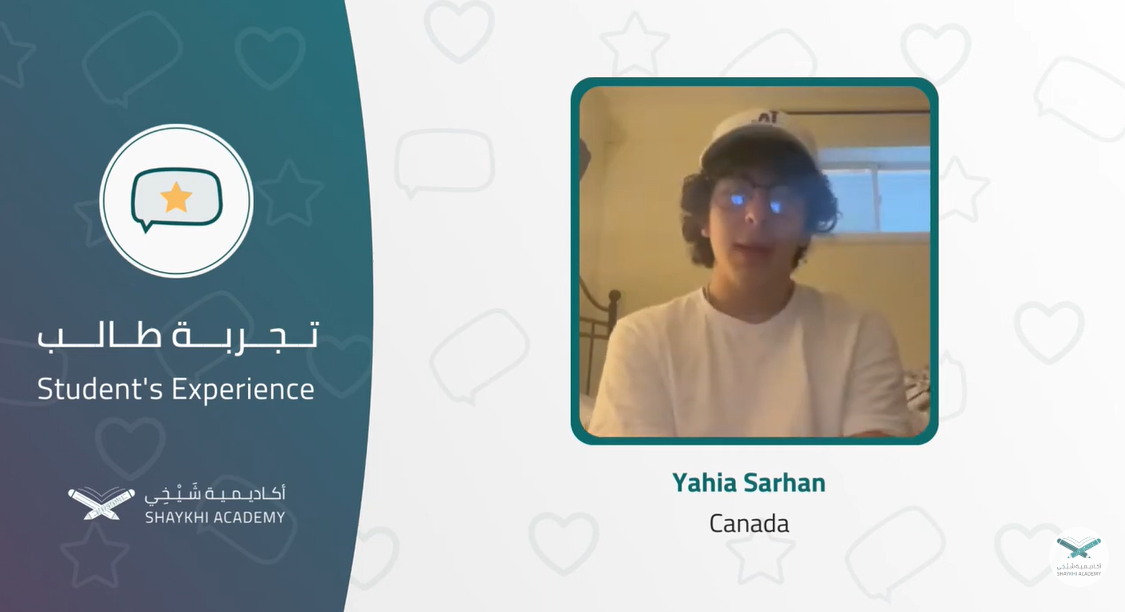
Yahia Sarhan
Yahia Sarhan

Yahia Sarhan

Islamic studies Course

I’m Yahia Sarhan, I’m 15 years old and I’m from Canada. I’ve been a student at Shaykhi Academy since 2019, so about three or four years now. It’s been a great learning opportunity for me and I’ve learned a lot about Islamic studies, the Quran, and Arabic reading. I’d definitely recommend it to anyone who’s trying to learn.

4 years
   

Your Toddler's Quran Journey Starts Younger Than You Think

Contact Islamic Studies for Kids Academy to book the free trial session. A certified Azhari tutor assesses your toddler’s current readiness and assigns the correct stage entry point within the Quran classes for toddlers before any paid session begins.

Book Your Toddler's Free Trial Session            
           

Frequently Asked Questions:

Common questions from parents enrolling children in the Quran classes for toddlers at Islamic Studies for Kids Academy.

Islamic Studies for Kids Academy accepts children from age 2. The free trial session confirms whether the child can engage with a tutor for 15 minutes. Children who cannot yet sit for short sessions begin when they show basic readiness.

Yes, but through listening rather than drilling. Toddler brains absorb sounds and rhythms passively before they produce them actively. Parents typically report the child reciting Surah phrases at home weeks before they produce them reliably during a session.

No. The programme starts from zero. The entire first stage is sound exposure without any prior Arabic knowledge required. Sessions are conducted in English with Arabic sounds introduced gradually across multiple sessions.

The toddler programme builds sound familiarity and Surah exposure through listening. The Noorani Qaida course teaches formal letter recognition and reading. The toddler programme comes first and prepares children to begin the Qaida faster when they are ready.

Tutors provide audio recordings of each Surah and Dua for daily home listening. Parents play recordings during car journeys, mealtimes, and before sleep. Daily exposure outside sessions is where most of a toddler's absorption actually occurs.

Between six months and one year depending on the child's age at enrolment, session frequency, and home listening consistency. No fixed timeline applies. The child's demonstrated readiness at each stage determines when the next stage begins.
Send Message Free Trial