 Books
Books
Finding good islamic story books for kids isn’t always easy. Many parents end up scrolling through endless listings without knowing which titles actually hold a child’s attention or teach something lasting.
This list pulls together story books that cover the range a Muslim child’s bookshelf actually needs: prophet stories, Ramadan tales, Sahaba adventures, books about salah and gratitude, and stories that simply model good character through everyday situations.
Below are 15 islamic story books for kids worth adding to your home library, organized roughly by age range, with notes on what each book does well and who it suits.
1. Eliyas Explains Why Should I Pray My Salah?
Eliyas Explains Written by Zanib Mian, this book tackles a problem most parents recognize: getting a child to actually want to pray, not just be told to.
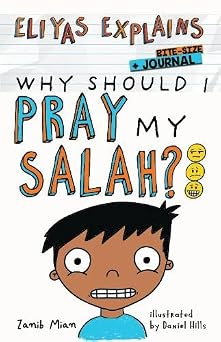
Eliyas walks young readers through the meaning and rewards of salah using interactive journaling prompts rather than a straight lecture format. It works well for children who are starting to keep their own prayers and need motivation beyond “because you have to.”
Families working through structured prayer learning alongside a children’s course like the Fiqh Course for Kids Online often find this book a useful companion, since it reinforces the why behind the rules a fiqh class teaches.
2. The Blessed Pomegranates: A Ramadan Story About Giving
The Blessed Pomegranates Written by A. Helwa, this story is set around a family sharing pomegranates from their grandmother’s tree, using Ramadan as the backdrop to teach generosity.
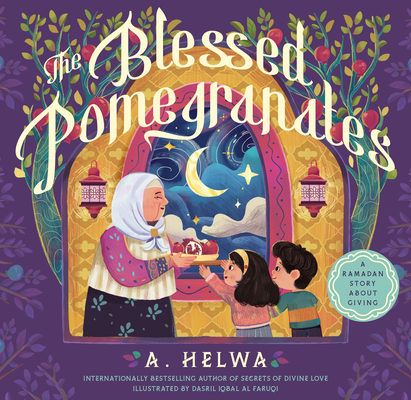
The poetic narrative style and bright illustrations make it suitable for reading aloud during the month itself, though it holds up as a year-round read too.
It’s a strong pick for explaining the spirit of Ramadan — not just the fasting rules — to children aged roughly 4 to 8.
3. Thank You God
Thank You God Written by Hana Adris, this short, focused book is built entirely around the concept of shukr (gratitude).
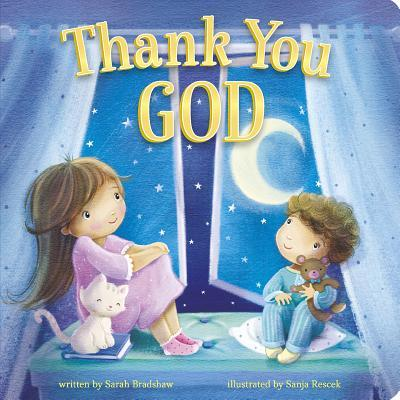
Rather than covering multiple themes, it stays on one idea: appreciating the blessings Allah has given. This single-concept structure makes it a good first book for toddlers who need short, repeatable reads rather than long narratives.
Read Also: Best 10 Islamic Books For Kids
4. Hasan the Intelligent: Iraqi Tales for Children
Hasan the Intelligent Written by Shafiq Mahdi and Misdaq R. Syed, this collection draws on Iraqi folk storytelling to teach that intellect and wisdom matter more than power or wealth.
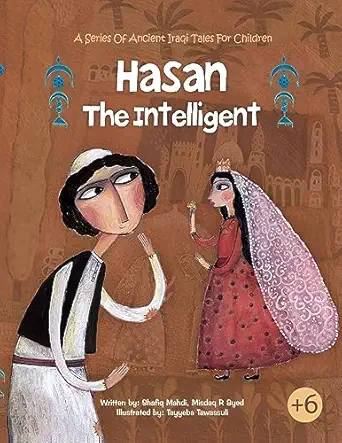
It’s a good option for parents wanting Islamic story books for kids that go beyond the usual prophet-story format and introduce cultural variety alongside the moral lesson.
Experience a Real Classroom
Curious about how we teach? This video offers a glimpse into a real class, showcasing our interactive approach, qualified teachers, and child-friendly learning experience.
Fun & Engaging Islamic Classes for Kids
Start your child’s journey today with interactive lessons designed to make learning Islam loved and easy.
Get Your Child a Free Trial5. It’s My Prophet’s Birthday
It’s My Prophet’s Birthday Written by Shaykh Muhammad Hisham Kabbani and Shaykh Abd ar-Rahman al-Diba’i, and built around poems, songs, and illustrations, this book explains the significance of the Prophet Muhammad’s (peace be upon him) birthday in a way young children can follow.
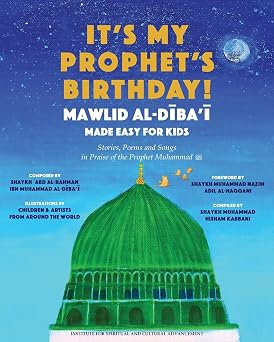
It’s one of the few titles that frames a specific Islamic occasion as a celebratory, child-friendly event rather than a historical lecture.
6. The Clear Quran Tafsir for Kids: Surahs 10–28
The Clear Quran Tafsir for Kids Written by Dr. Mustafa Khattab, this is less a single story and more a structured introduction to Quranic meaning, written for children who are starting to ask deeper questions about faith and the Creator.
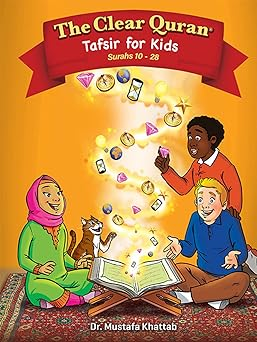
Parents who pair this with a structured learning path — such as the Quranic Arabic Course for Kids Online — often find their children retain the concepts better, since the book gives context that classroom vocabulary alone doesn’t.
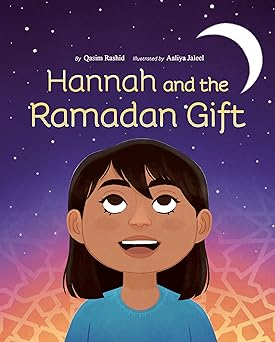
7. Hannah and the Ramadan Gift
Hannah and the Ramadan Gift Written by Qasim Rashid and Aaliya Jaleel, another Ramadan-focused title, this one follows a child named Hannah as she learns what the month is really about through small acts of kindness rather than grand gestures. It works well as a bedtime read during Ramadan specifically.
8. Baby’s First Box of Quran Stories
Baby’s First Box of Quran Stories Written by Saniyasnain Khan, this is a board-book set designed for the youngest readers — sturdy pages, short text, and simple illustrations of the prophets.
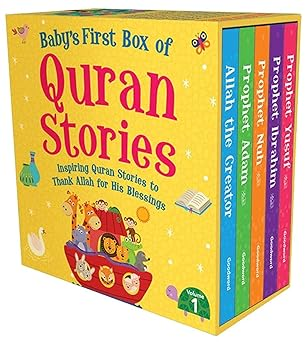
This is a practical starting point for parents who want to begin exposure to Quran-based stories well before a child can read independently.
9. 30 Bedtime Stories for 30 Values from the Quran
30 Bedtime Stories Written by Bachar Karroum, this one solves a common parenting problem directly: running out of new bedtime material.
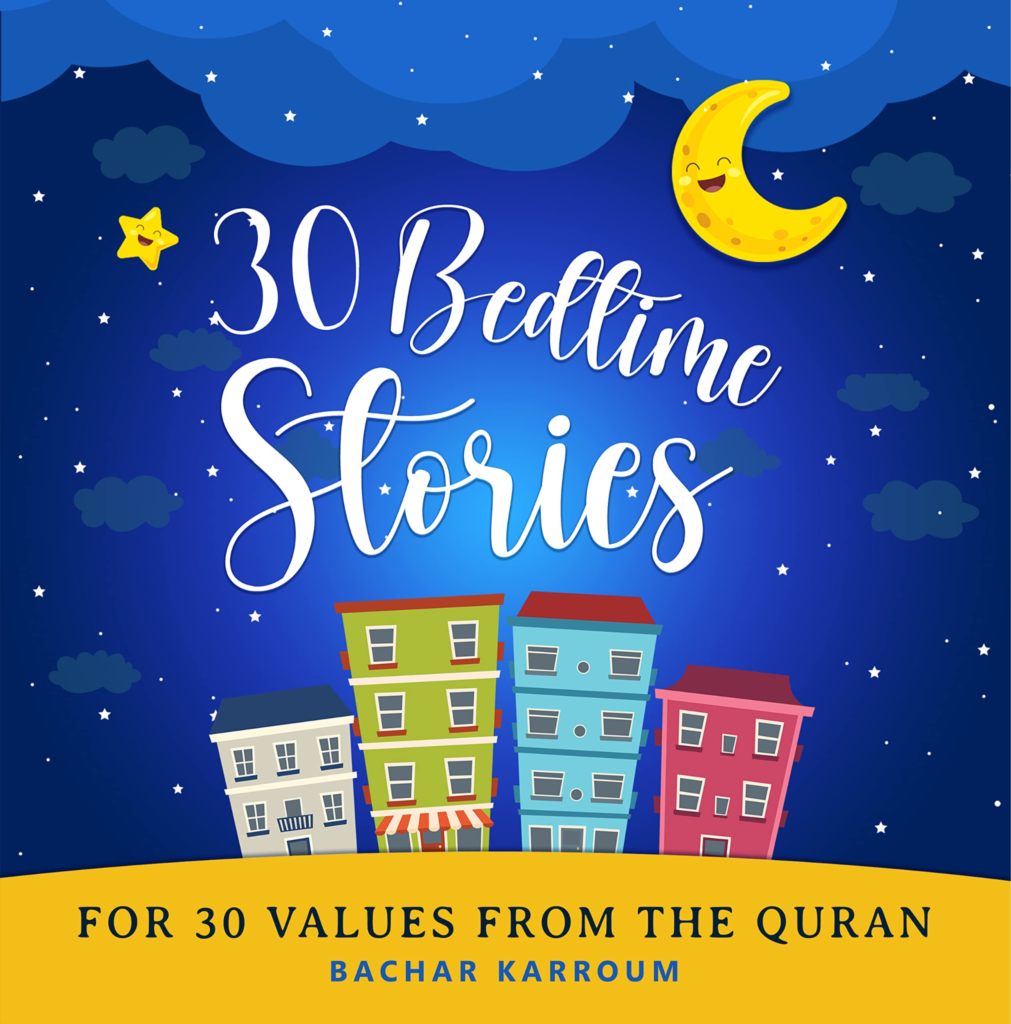
Thirty short stories, each built around a single value — honesty, kindness, integrity — give a full month’s worth of reading without repetition. Suitable for ages 5 and up.
Read Also: Best 8 Arabic Kids Books
10. Letters from a Prophet
Letters from a Prophet Written by Zimarina Sarwar, this more advanced narrative for older children follows the historical letters Prophet Muhammad (peace be upon him) sent to rulers across distant lands in 7 AH.
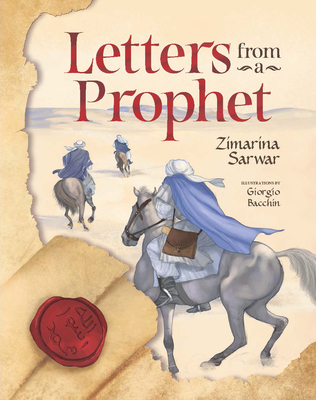
It’s a good bridge for children moving from picture-book stories toward early Islamic history, and pairs naturally with study of hadith narrations through something like the Hadith Course for Kids Online.
11. Super Sahaba Stories: 40 Episodes of Faith and Courage
Super Sahaba Stories Written by Zaheer Khatri, this book contains forty short episodes covering the companions of the Prophet, each centered on a specific virtue — courage, humility, kindness.
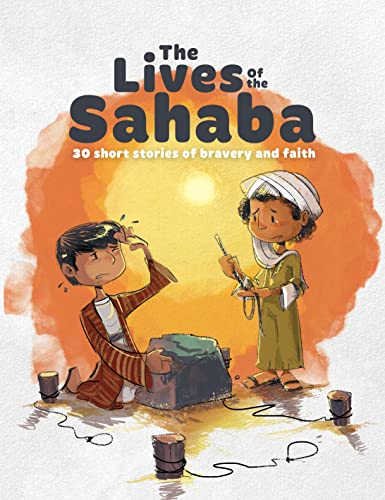
The episodic format makes it easy to read one story at a time without needing to track a long plot, which suits children with shorter attention spans.
12. Where Is My Prayer Mat?
Where Is My Prayer Mat? Written by Ruhana Begum, this lift-the-flap board book follows a boy named Musa as he searches the house for his prayer mat after making wudu.
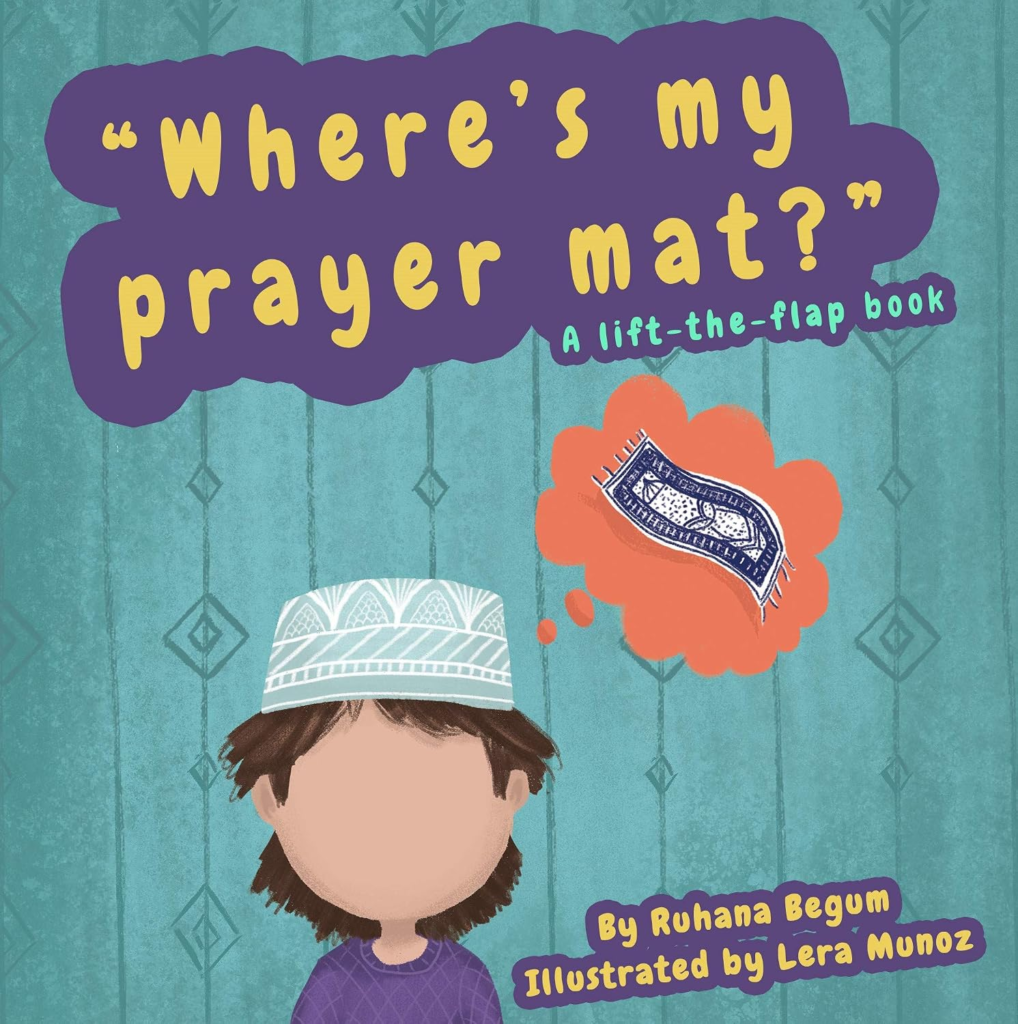
The interactive flap format gives toddlers a reason to keep turning pages, and the scenario — a child misplacing prayer items right before salah — is one most Muslim households will recognize.
13. My First Book About Prophet Muhammad
My First Book About Prophet Muhammad Written by Sara Khan, this board book is written for toddlers, with two to three simple sentences per page and a short facts section about the Prophet’s life at the end.
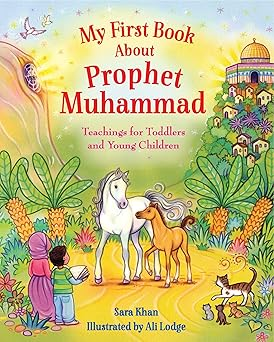
It’s intentionally kept brief, which makes it a realistic first introduction rather than an overwhelming one.
14. We Are Off to Pray
We Are Off to Pray Written by Sana Munshey, this story puts a familiar dilemma front and center: a boy hears his friends at the door wanting to play, right as it’s time to pray.
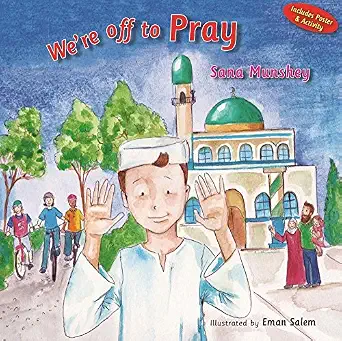
Rather than presenting prayer as an abstract rule, the book lets the child see the actual pull between play and obligation — and how the choice gets made. It’s a useful discussion-starter for families also working through structured salah learning, including reciting the prayers correctly through something like the Quran Recitation Course for Kids Online.
15. Bismillah Soup
Written by Asmaa Hussein, this retelling of the “Stone Soup” folktale through a Somali Muslim lens follows a boy named Hasan as he gathers his community for a feast at the mosque.
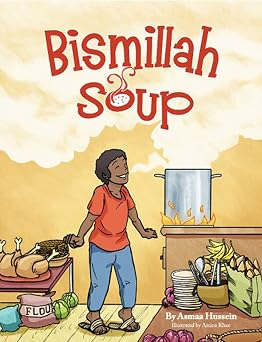
The story centers on generosity and community reliance on God, with illustrations that introduce children to a specific cultural setting alongside the Islamic theme.
Read Also: The 8 Best Quran Books For Kids
How to Choose the Right Islamic Story Books for Your Child’s Age
Picking from a long list is easier with a simple rule: match the format to the child’s attention span, not just the topic.
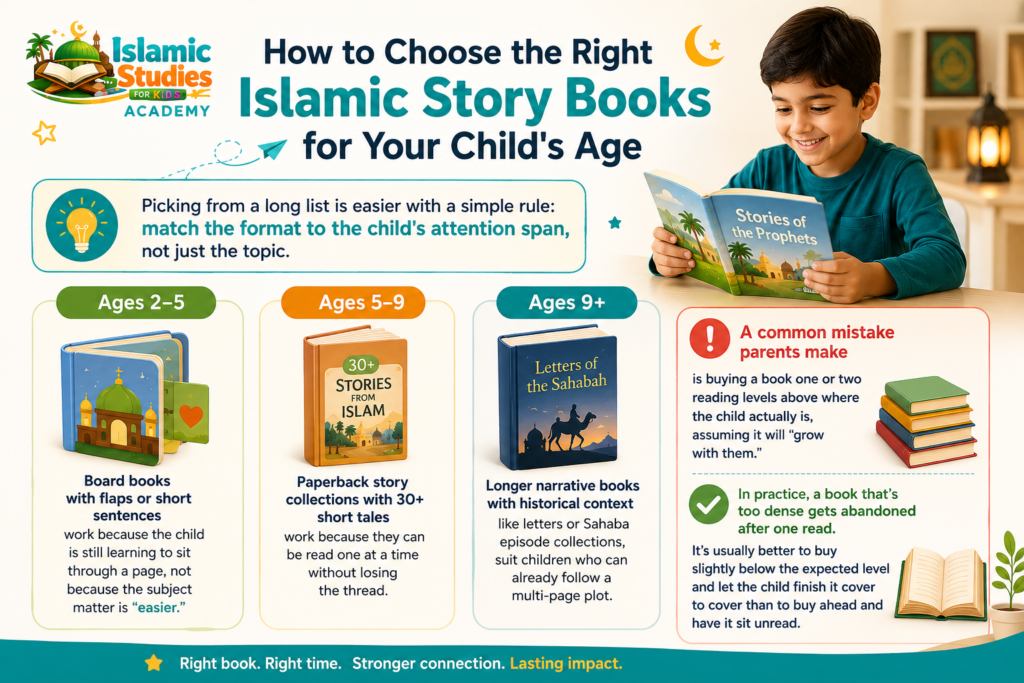
Board books with flaps or short sentences (ages 2–5) work because the child is still learning to sit through a page, not because the subject matter is “easier.”
Paperback story collections with 30+ short tales (ages 5–9) work because they can be read one at a time without losing the thread. Longer narrative books with historical context, like letters or Sahaba episode collections, suit children aged 9 and up who can already follow a multi-page plot.
A common mistake parents make is buying a book one or two reading levels above where the child actually is, assuming it will “grow with them.”
In practice, a book that’s too dense gets abandoned after one read. It’s usually better to buy slightly below the expected level and let the child finish it cover to cover than to buy ahead and have it sit unread.
At Islamic Studies For Kids Academy, story books like these work best as a companion to structured learning rather than a replacement for it — a child who hears the story of Bismillah Soup retains more from a fiqh lesson on generosity, and a child reading about the Quran’s meaning gets more out of a Quranic Arabic class once they’ve seen the concepts in story form first.
Read Also: Best 8 Tajweed Books For Kids
Watch a Sample Lesson from Our Academy
Get a firsthand look at how our students learn Islamic values, Quran, and essential knowledge through engaging and interactive online classes. See why families trust Islamic Studies for Kids Academy.
Fun & Engaging Islamic Classes for Kids
Start your child’s journey today with interactive lessons designed to make learning Islam loved and easy.
Get Your Child a Free TrialStart Building Your Child’s Islamic Library and Learning Path Today
Story books open the door, but consistent learning is what makes the lessons stick. Islamic Studies For Kids Academy offers structured, live online classes that build directly on what these stories introduce, turning the love of a good story into real skills your child keeps for life.
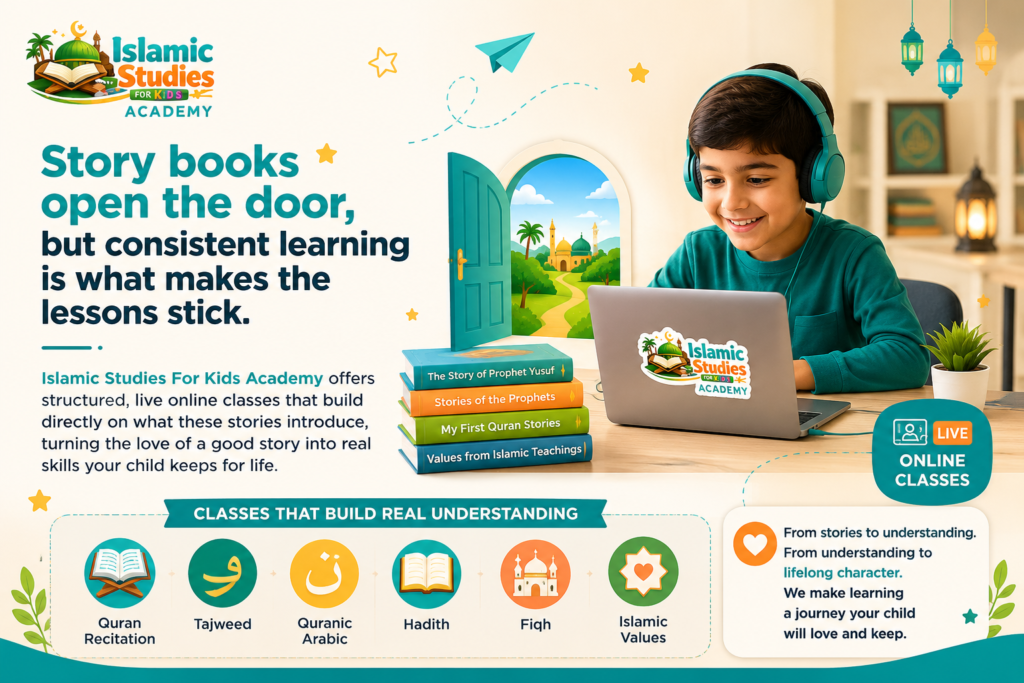
Here’s where most families start, based on what these books already introduce:
- Quran Recitation Course for Kids Online: for children ready to read the words behind the stories they’ve heard.
- Tajweed Course for Kids Online: for children who already recite and are ready to recite correctly.
- Quran Memorization Course for Kids Online: for children who love a surah’s story and want to carry it with them by heart.
- Fiqh Course for Kids Online: for children ready to understand the “why” behind the values these stories model.
Every class is live, one-on-one or small-group, and taught by qualified instructors who know how to keep young learners engaged — not just sitting through a lesson.
Frequently Asked Questions
These are the questions parents most often ask when building a collection of Islamic story books for kids, based on what comes up repeatedly when choosing titles for different ages.
1. What age should a child start reading Islamic story books?
Children can start as early as 2 years old with board books that use short sentences and simple illustrations, such as lift-the-flap formats. At this age, the goal is exposure and repetition rather than comprehension of deeper meaning.
2. Are Islamic story books only about the prophets?
No. While prophet stories are common, the category also includes books about Ramadan, gratitude, Sahaba, prayer routines, and everyday values like honesty and sharing — often told through relatable, modern-day scenarios rather than historical narration.
3. How many Islamic story books does a child need?
There’s no fixed number, but having at least one book per theme — prayer, Ramadan, prophet stories, and character values — gives a more rounded foundation than several books covering the same topic.
4. Can these books replace formal Islamic education?
Story books build interest and introduce concepts in an accessible way, but they don’t replace structured learning like Quran recitation, tajweed, or hadith study. Most families use story books alongside a learning program rather than instead of one.
5. Do Islamic story books help with Quran memorization?
Indirectly, yes. Books based on Quranic stories familiarize children with the surah’s content and themes, which can make the memorization process feel less abstract when paired with a guided program like the Quran Memorization Course for Kids Online.


Leave a Reply